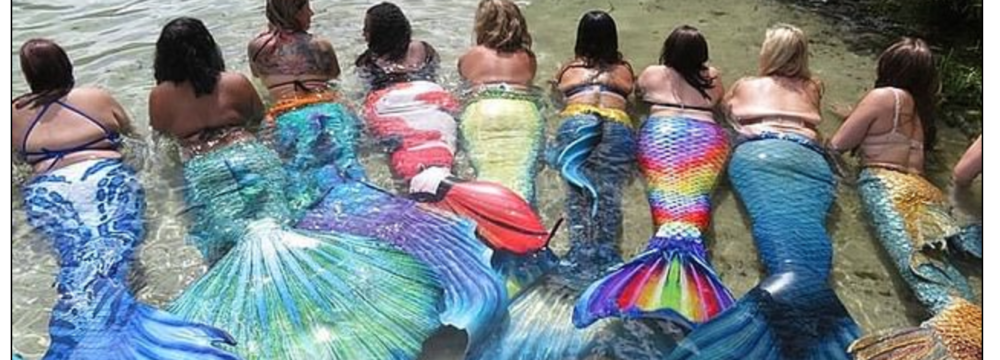
“Early modern science knew much more about the heavens than about the oceans; and more attention was paid to extracting the wealth of the seas, namely fish, than to the waters themselves. All that lay beneath the surface—The Deep—was thought to be an unfathomable abyss, impenetrable and unknowable, a dark dead zone that trapped all that sank below the surface, never revealing its secrets.”
Reading Blue Humanities this week reaffirmed the idea that we really don’t know anything about the ocean. Most of what we know is either what we have explored (which is so minor compared to the percentage of the ocean that is undiscovered), or what we have created through our imagination. Similar to last week’s reading, we created an “aesthetic” of the ocean. What was once considered a scary unknown, is now an element of nature that brings serenity and peace to people. This shift in mindset and attitude towards the ocean and the wilderness in a way is kind of refreshing because I think it encourages us to be more protective over earth. Although preservation tactics and human consumption have been an ailment to nature, viewing natural elements in a humanly-beneficial way can motivate politicians and people in general to shift towards saving the planet.
You are understanding and articulating WHY we study literature as a means of knowing the environment. Let’s talk more about this connection and feedback loop in class.