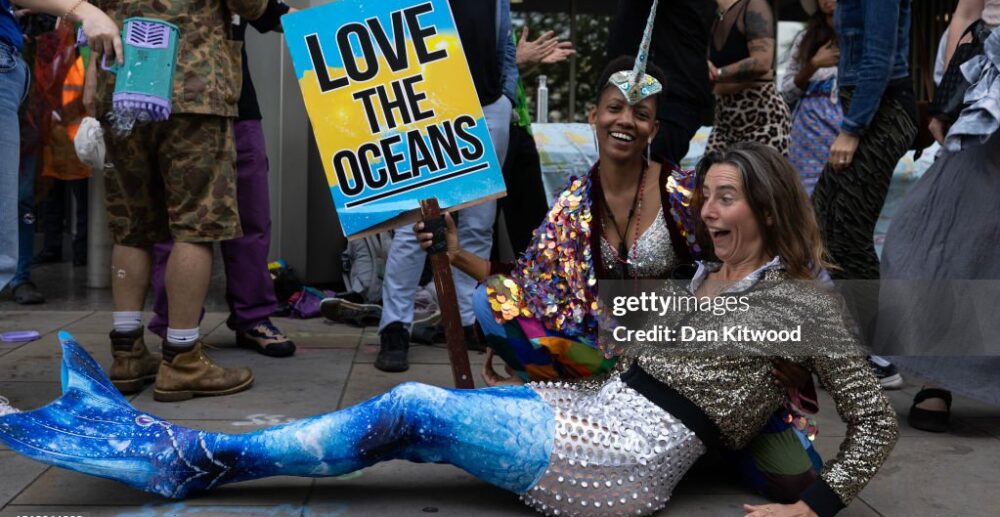
I have noticed a common theme with the association of nature and the environment to the Christian religion. In past weeks we have read stories that have told the Christian belief and role in stories surrounding mythical creatures and the environment. It is clear to me now how much of an impact nature had on the Christian religion, causing those followers to tell such tales. Going back 250 years in history, the wilderness was seen as a scary, savage, and deserted place. “The wilderness was where Christ had struggled with the devil and endured his temptations” (Cronon, 8). The wilderness was seen as a place where people, or Christ, would go fight in a way because of its dangerous nature. This can be connected to mermaid depictions by the Christian religion near this time. At a time when the wilderness was an unknown place that was filled with risks and temptations, it makes sense that stories about merpeople or sirens trying to tempt humans to come to them were being told.
As time went on, the views and ideas of the wilderness and nature changed. Nature was beginning to be appreciated as one of God’s creations. The wilderness shifted from an undiscovered mysterious land to a land of freedom. “It is a place of freedom in which we can recover the true selves we have lost to the corrupting influences of our artificial lives. Most of all, it is the ultimate landscape of authenticity. Combining the sacred grandeur of the sublime with
the primitive simplicity of the frontier, it is the place where we can see the world as it
really is, and so know ourselves as we really are-or ought to be” (Cronon, 16). This change of heart about the wilderness can be correlated with the change of heart about merpeople in the Christian religion. Christians began to depict mermaids through beautiful artwork and texts, showing them in a more positive light. It is interesting to me how much nature contributes to the beliefs and ideals of a religion.
Wonderful work connecting our texts and seeing the larger points they raise- about human relationships to the environment AND how texts produce that relationship. You certainly understand the importance of this redaing, and I will be eager to have you lead us in conversation about it tomorrow.