This week, the reading that stood out to me most was the chapter “Freakshows and Fantasies” by Vaughn Scribner. This chapter was interesting because it didn’t necessarily contain any mermaid stories, but instead described the evolution of the term through the detailed accounts of mermaid sightings in the early 1800s. Interestingly enough, Scribner uses contradicting terms throughout the whole passage to demonstrate the opposing views of merpeople that have laid the groundwork for economic benefits associated with mermaids today. Scribner contrasts the differing approaches as: “science and wonder” (129), “discovery and superstition” (131), “scientific credulity and capitalistic profit” (131), and many others. Viewing merpeople from these two opposing perspectives can show how rapidly it gained attention and ultimately resulted in large profits in the economic sector. Bits and pieces that stuck in original works were pulled and reused for similar symbolic purposes, but the flashy bits that attracted coin seemed to be the most prominent. This also shows how the concept of merpeople has changed over time to reflect our present day values as these concepts sell the best. In the 1800s, the attractive bits were sexualizing women with a large bit of emphasis on the male gaze. Originally, mermaids had been used by the church to signify our temptations/desires as things to avoid, while present day mermaids are used by large corporations to represent body positivity and acceptance. Both of these views result in large profits, however there is a large disconnect between what merpeople resembled 300 years ago and what they resemble today; it is simply a reflection of society’s values and morals.
Another interesting little bit about this reading is that one of my favorite types of wine is called Freakshow, by Michael David. And for comedic purposes I went and looked at the label of wine and low-and-behold, it was a mermaid on the cover! Here’s the link!
Literature and the Environment: Mermaids
Professor Jessica Pressman. Spring 2024
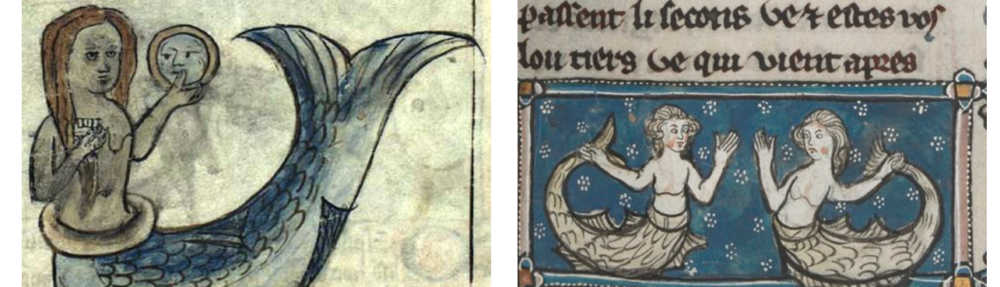
Now I am going to need to try a new wine! Thanks for the recommendation but also for a smart blog post that shows you reading between the texts, their historical moments, and our own. You are right to recognize “how the concept of merpeople has changed over time” and that considering this fact provides an opportunity “to reflect [on] our present day values as these concepts sell the best.”