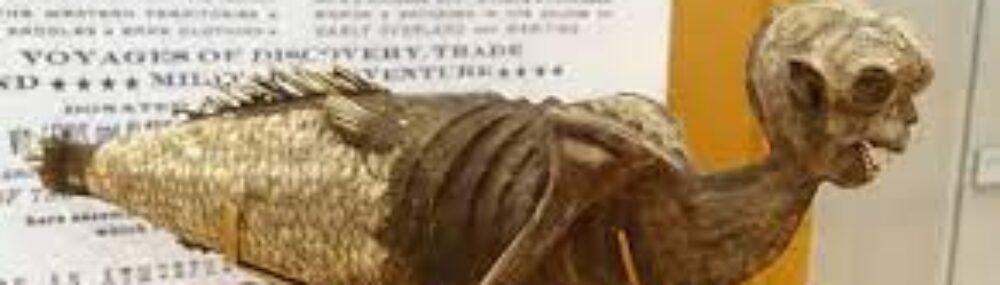
Before this reading, I didn’t know much about mermaids or where they originated from but it was so interesting to read and learn about. The perception of mermaids has changed over time through different cultures and places based on the stories and illustrations passed on. I thought it was interesting to read about how sexualized mermaids became, especially from a Christian perspective. It reflects a power dynamic between men and women that still very much exists today. Women’s bodies are often objectified and seen as controlled by men, which is shown frequently throughout the illustrations and pictures in the reading. I think that the sexualization of mermaids serves as a view into the deeper cultural beliefs and narratives about women and their role in society. In the text, there’s a quote that really stuck out to me, “Mermaids continued as mascots for the defamation of the feminine, representing religious traditions as well as folk-portents of storms, doom and death. Perhaps even more overtly, sixteenth-century Westerners often called prostitutes ‘mermaids’ or ‘sirens’.”
I also found it very interesting about how many people claimed to see merpeople in the medieval period. After claiming to see a mermaid or merman, these people seemed to gain some attention and/or fame. In the reading, it talks about how many of the people who said they interacted with merpeople were often a part of a higher class and were considered to be trustable people in society. I think this may be a main reason of why no one often questioned that they were lying or possibly fabricating something they saw in the water. There was a quote in the book that reads, “Perception, in short, is everything.” This quote expresses the the idea that people’s beliefs and interpretations can shape their understanding of the world around them, like their perceived sightings of merpeople in these times. I think it is very understandable as to why many believed they saw merpeople in the oceans because humans have a natural tendency to make sense of their surroundings with figments of our imagination.