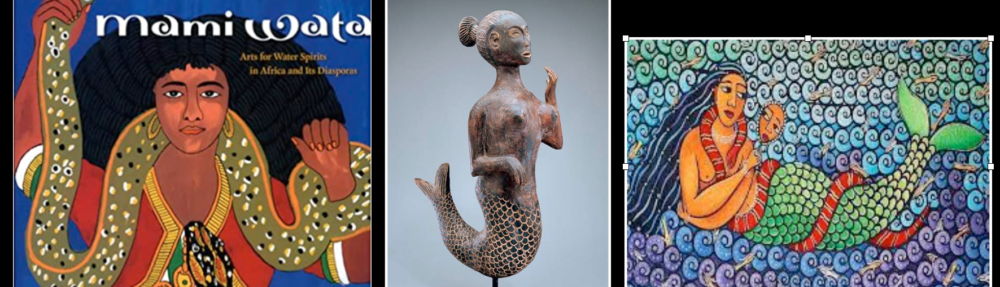
For this week’s reading, I really enjoyed learning the story of the “The Little Mermaid.” Being such a big fan of the original 1989 movie, I found it quite interesting reading the story for the first time and seeing the continuous theme from both the movie and the original story about the fascination of the unknown from both the merpeople and humans. Being such a big theme in a lot of the past readings we have done, the fascination of the unknown was definitely prevalent in the reading, “What struck her as the most beautiful was that the flowers of the earth should shed perfumes, which they do not below the sea; that the forests were green, and that the fishes amongst the trees should sing so loud and so exquisitely that it must be a treat to hear them” (Penguin, page 110). Not yet being able to go above the water till she is fifteen the little mermaid throughout the whole story, “Longed after all these things, just because she could not approach them,” I am very fascinated by this idea because humans as well do this in attempts to understand certain things (Penguin, page 111). As well, their fascination is conveyed the constant use of similes and metaphors when describing the land above which furthers the idea of the fascination of the unknown. Humans and Mermaids, since they are half human, share this quality of curiosity which can thus continue the argument that mermaids ( and thus the environment) should be treated equally as they are part human as well. But a quote that stood out to me, that can argue as much as mermaids are half human, they yet are still not seen or treated as equal because “Mermaids have no tears, and therefore suffer all the more,” and this emphasis that though the upper half of their bodies are of human description, they do not carry the emotion or “soul” that humans contain since they are not able to display their emotions fully because they cannot abide on land (Penguin, page 113).
Week 7: The Victorian Standard – The Little Mermaid
1