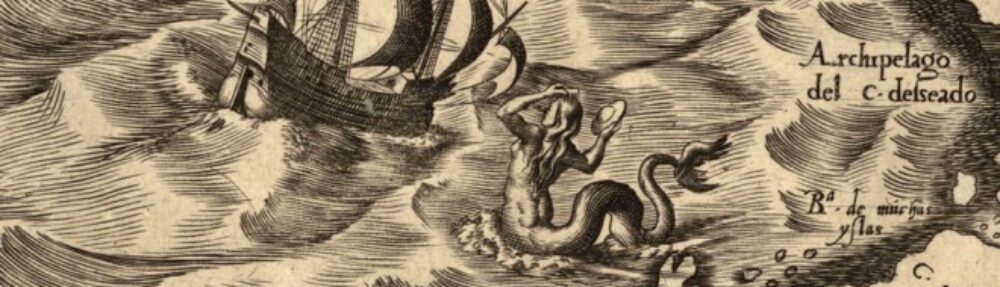
This week’s reading was interesting because of all the new context it gave me about what our perception of the wilderness is, and how it came to be. What I found most interesting was the part talking about Native Americans, dubbed ‘Indians’ in the text–which also reveals the environment in which this was written. What the people saw as wilderness, was also the homes of the Native Americans, and was their land first. Once the Native Americans were driven out of their land, the land was seen as safe and peaceful, and not dangerous and savage. This goes to show what they viewed as civilized–people don’t make it civilized; rather one’s own perception of what society should be is what makes something civilized. How we view the wilderness and its safety can be connected to the changing views on the ocean as we discover more and more about it. In some older tales we’ve reviewed in this class, the sea creatures were seen as dangerous (Sirens), but more current literature shows a more productive/romance based relationship between the humans and sea creatures (the Little Mermaid). Through artistic depictions in the Victorian age and current depictions of the sea, we can see the difference in mankind’s thoughts of the sea.
I also found it interesting how Cronon talked about how we lose sight of the importance of protecting where we live since we are so focused on environmental preservation in the ‘wilderness’. This isn’t something I have thought about much, but I see how it applies. In my hometown, there’s a lot of push for urban development (as there is in many towns and cities nowadays), but with that urban development comes the loss of nature and beauty. Perhaps this partially stems from our curiosity in things that are not like us, or not something that is part of our day to day, but there is value in what seems so ordinary to us.