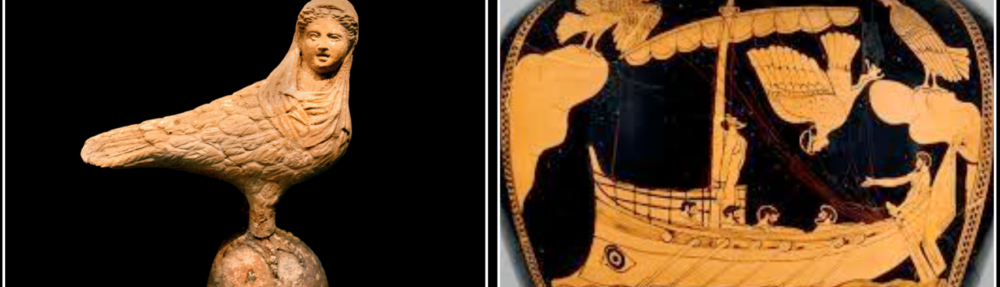
In this weeks reading of “Merpeople: A Human History” by Vaughn Scribner, I was completely fascinated by the Catholic Church’s involvement in the use of mermaids to manipulate the general public. When I began reading, I mostly expected the reading material to mainly feature the evolution of mermaids throughout different cultures. I had no idea that mermaids were instruments of manipulation for the Catholic Church, which intended to use mermaid imagery to “dethrone femininity” (Scribner 12). Painting mermaids in an overly sexual light, the church used mermaids to symbolize seductive beings that made men fall into their lustful desires. Ultimately, the Church was using these creatures to spread their propaganda about sinning.
The Catholic Church benefited from the globalization of mermaids in Western, Eastern, and African folklore, because it further pushed their agendas. Sailors across the world would make claims about interacting with mermaids, and their “encounters resonated with the Christian Church’s imagery” and further pushed the Church’s “efforts to denigrate the feminine” (Scribner 56). My focus on the Catholic Church with these chapters comes from the idea that mermaids could not possibly be the only things that the Catholic Church used to manipulate people. By studying how effective the use of mermaids was, it gives me the ambition to look into what else the Church has used to maintain relevancy. Science has only been a generally accepted concept for a couple centuries, yet society has existed for thousands of years. Even in modern media that I can recall, mermaids are still commonly sexualized, which could still subconsciously push the old agendas of the Church.
I grew up going to Catholic Church, and I cannot recall ever seeing any mermaids, or any mythical creatures besides angels and demons in paintings inside of the church. It is extremely fascinating to me to see how the same Church I grew up attending used manipulation tactics to push their agenda. It is also interesting to me to see what the church’s agendas were as the church was developing. It makes me wonder if this type of behavior is still happening in the Church, but with more modern methods.