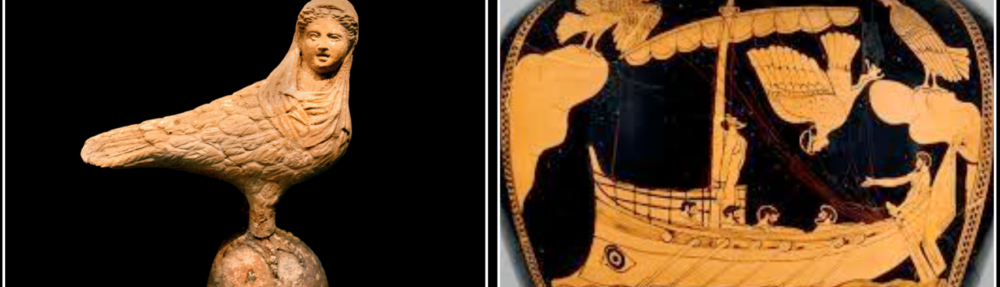
What I found interesting in the reading this week was some of the ideas presented in the Penguin Book of Mermaids. This introduction discussed some of the differences in cultural representations of mermaids. For instance, the Romans and Greeks had Sirens, who were seen as harlots. In Britain, mermaids were compared to prostitutes: “…the appellation of prostitutes as ‘mermaids’ in early modern British culture likewise attests to how a woman who oversteps the boundaries of gender propriety has, over centuries, risked being defined as monstrous” (p. xiii). Both these cultures clearly look down upon these ideas of mermaids, and the feminine. This has an interesting contrast when compared to Hawaiian ideas of mermaids, which is also discussed briefly in this introductory chapter. The author states: “Significantly, there are no tales of men who try to tame their mo’o partners, because the mo’o, like the features of the water they embody, cannot be contained or domesticated” (p. xx). This representation of mermaids in Hawaiian culture allows them to be independent beings, who are not being objectified, or ‘tamed’, like other stories. Meanwhile, European culture is more focused on the idea of ‘taming’ a woman, and the struggle for power between a man and woman who are romantically involved. When discussing European cultural views of mermaids, the author states: “These tales speak to the discrepancy between men’s longing for a woman unfettered by social mores and their attempt to control her by domesticating her” (p.xviii). Not only can these ideas of taming a mermaid be seen in these tales, but this can be seen in modern day relationships, where some men have the mindset of ‘taming’ a woman and expecting submission.
I found these cultural examinations of perception of mermaids to be interesting as the other reading from Merpeople was more focused on the Christian Church and how Europeans viewed mermaids. I am interested in learning more about how Hawaiian culture viewed merpeople, and how other cultures may have viewed mermaids with respect and as equals, as opposed to mythical creatures that are both intriguing and dangerous. I do wonder if Indigenous culture plays a role in how mermaids may be viewed. In the introduction to Penguin Book of Mermaids, the author briefly mentions that “mermaids and other water spirits raised issues of gender, voice, and sexuality, as well as knowledge, ecology, and spirituality–especially but not only in Indigenous contexts” (p. x). I don’t want to speak on something I do not know much about, but it is my understanding that some Indigenous cultures, especially in the US, believe that animals have spirits and often represent significant things in these cultures. So, I wonder if Indigenous Hawaiian culture, if possessing similar beliefs, may have had more respect for merpeople because of this–having previous respect for non-human forms leads to respect for half human half animal forms.