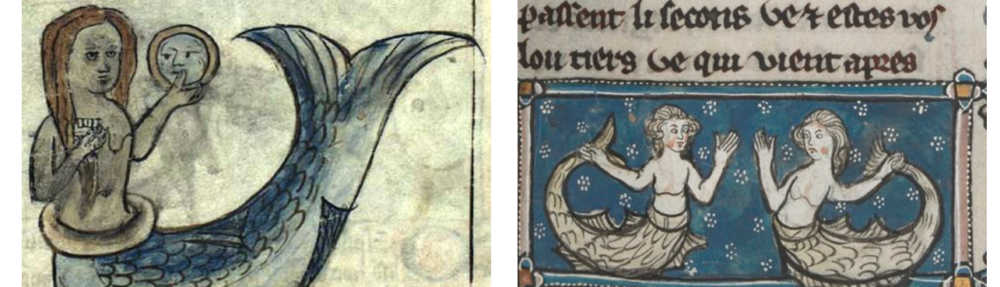
For this weeks’ blog I want to zone in on the big debate I found to be posed in chapter 5: Does history and culture give significance to the human existence or does our own personalities and experiences do that? I feel like throughout the chapter Yetu was sort of going back in fourth between wanting to be apart of the culture and history of her people saying how “she missed being a part of not just the sea, but the whole world. Without the History, she felt out of place and out of time. She missed being connected to it all.” (Page 82) These are feelings are arising after she, herself, decided to abandon her people and let them remember the history of their past all by themselves, knowing it would bring them suffering and maybe forgetting it all together, as they were innately compelled to do. On the opposite side of that very same coin though, she understood that with “connection came responsibility. Duty choked independence and freedom.” These two differing views give me the impression that there is a fine line in honoring culture and giving up your own identity to follow a lifestyle that was made by a people at a time you didn’t exist to now exist in a time that they don’t.
One may ponder the idea of why should we remember our culture at all? Why dont we make our own new experiences as we go along? I think the answer to that perplexing question is that the feeling of belonging to something bigger than ourselves feeds our insatiable hunger to feel special; like we have a purpose and importance in this big world. I feel it’s important to find a balance between what came before you and what is presented now. Times are ever changing, therefore adjusting traditions in order to keep them from being fully rejected by the people it no longer serves can not only cultivate an environment that does not infringe upon personal expressions and freedoms, but also preserves that sense of belonging to a bigger purpose and therefore satisfying our inherently primal instinct for connection all in one fell swoop.