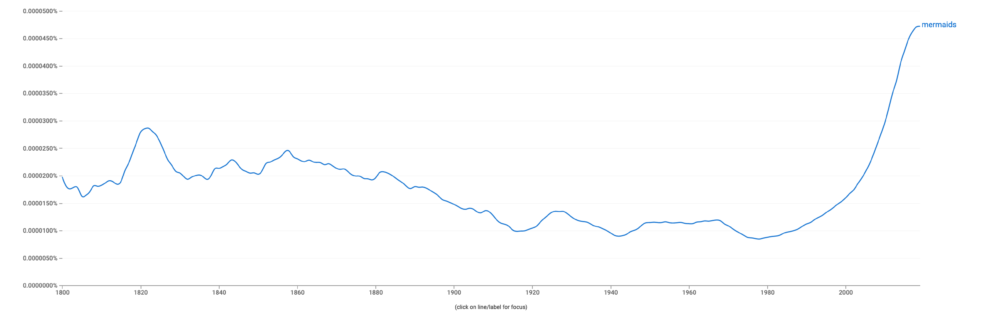
Out of the two readings for week 9, I found the Blue Humanities one to be more interesting. This article discussed our scientific and conceptual history of the sea and how it has developed over the last few centuries. One part I liked was when the author talked about how with more analysis of historical sea documents, we have started to understand our changing perceptions toward the sea. Our view of the sea has primarily shifted from a more utilitarian and mechanical perspective to an aesthetic, modern, beautiful conception. This tied into some of our discussion from last week, when we talked about how the sea used to be only visited by people who went there for work, but it later moved into a more recreational activity for people as it became this beautiful, relaxing concept. Our interaction with parts of nature depends on our subjective value of the entity. This can apply to really everything; for instance, our social interactions with others will depend on our subjective value of the other. But even within our subjective values of parts of nature, there is variance between person to person. No two people see the world the same, as our worlds are shaped by personal experiences and our top down processing of the world creates a biased and personalized living experience. Take for instance–some people go into nature and take the ‘leave no trace’ method, while others destroy and litter. All depending on subjective value. But it is interesting to see when these perceptions of the world are something that are the same from person to person–this shift from a utilitarian ocean to an aesthetic ocean. Mediums such as stories and paintings are fascinating to analyze because of how they may affect the viewers and change their own perspective of the world. How much of our reality is actually real, and how much of it is influenced and made subjective? I don’t believe anyone can truly see the world in objective eyes. I wonder what other parts of the world that we disregard may become more ‘aesthetic’ to us, or the reverse. Will the ocean become less aesthetic and beautiful to us as we discover more about it? Or as environmental pollution/destruction ruins it? Will we have places on land, similar to aquariums, that mimic what the ocean used to be like?
Week 9: Blue Humanities
1