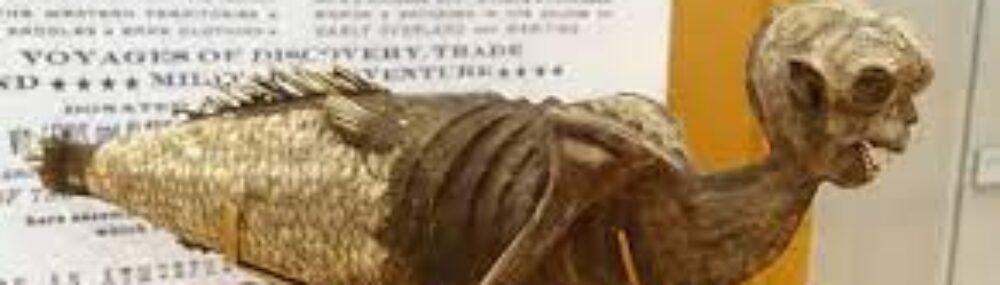
In this weeks readings, I couldn’t help but notice how respectful and optimistic myths were towards nature. In the story about Oannes, Oannes is a fish and human hybrid that is well respected by the people of Chaldea. He shares his knowledge with people in order to “soften manners and humanize mankind” (Bacchilega 34), which is interesting because his actions imply that humans are not civil beings, but are animalistic and hostile. People respect Oannes and he respects them back, despite potentially being a fish god. This type of respect is again seen in Kaliya, the Snakes story, which takes place in a completely different part of the world. Despite being an evil snake, Kaliya is given another chance after being defeated. He genuinely reforms, pleading that it is his proper nature as a snake, which he was born into (Bacchilega 39). Meanwhile, Krishna receives love and praise from the cowherders and their wives. I found it really interesting how Krishna was able to unite everybody while giving Kaliya the opportunity to seek redemption.
The story of “The Tuna of Lake Vaihiria” differs from the previous two stories by showing a different side of nature and beasts. The Eel that wants to marry Hina is evil, unlike the two dieties in the other stories. I found it incredibly interesting that the only story with a female protagonist showed the protagonist going through a lot of trauma, such as being forced to marry the evil eel, and accidentally setting down the Eels head. I am not sure if this is intentional to add to mermaids symbolism towards feminism, or if it is just a coincidence. Although she experiences a lot of trauma, she still has a happy ending and grows old with her coconut tree. Overall, these stories were extremely insightful as to how nature and the ocean were tied to Gods and other powerful beings. It is fascinating to see how different cultures respected nature so similarly despite being so different.
Hi Rigo, I think your perspective on the views of nature from these stories is so interesting! I hadn’t noticed how every story we read had an underlying respect for the ocean and the creatures of the ocean. Even the stories that seem to have negative views of creatures (as in “The Tuna of Lake Vaihiria”) eventually gain respect for what they give the people and how they provide resources. There seems to be a really consistent appreciation of nature that seems to be lacking in modern literature.
Rigo, you make a solid point on how optimistic the ancient myths are. It seems like even though the characters go through some kind of conflict, the story ends on a happy note with the protagonist being respected by the village or showing mercy on their foe. Also, your connection to how nature and the Gods are tied together is very interesting. It makes sense, as I recall Zeus was able to throw lightning bolts and Poseidon is the God of the Sea. It’ll be interesting to learn more about how ancient mythology relates to our current topic of Merpeople.