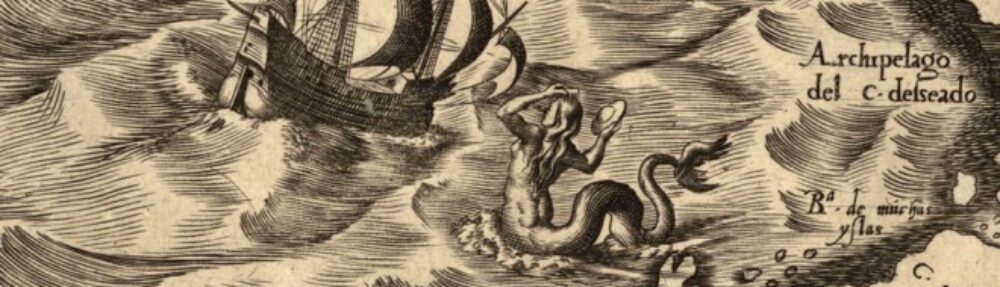
In River Solomon’s “The Deep,” the concept of memory and the stories associated with it can take on a life of it’s own. Depending on the context of these memories, they can ground the person experiencing them and give them context that informs their identity as wajinru. However, these same memories can also leave wajinru untethered and hollow, like a pried open clam shell who’s meat has been scooped out by a predator. In Yetu’s case, she is the actual vessel for these memories. Both her sense of self and the remembrances fight for control over her body. In a way, these memories are almost parasitic as Yetu has to fight to keep herself from slipping into them, and at times gives in until she can break free from their grasp. On page 69, Yetu states that she left the Wajinru to endure the full weight of their history, and that for the first time in many years her body felt weightless. The history and the memories associated with this history have a living dimension to it, they are physical agents that can press or interact with the bodies of the Wajinru. As a historian, the memories need Yetu’s body to be physically alive in order to carry them. However, this doesn’t account for both the mental and physical anguish the Rememberances have on her as she states that “it’s killing me (p.94),” when referring to the memories. Because memories themselves are alive, they encompass the duality of suffering and understanding and can cause a palpable effect on the people experiencing them.
Literature and the Environment: Mermaids
Professor Jessica Pressman. Spring 2024