This week I wanted to focus on the Stop Motion Animation, ¨The Water Will Carry Us Home¨ by Gabrielle Tesfaye. I wanted to focus on this blog post specifically for the way that it was filmed and for the way that the story was told, focusing on the developmental elements of the film. The film opens with a woman where the audience is walking through what appears to be a ritual that she is performing. The camera follows her through prayer, the burning of candles, her stretched ears, the henna on her hands, the burning of incents, etc. Where the audience is carefully exposed to the woman and her culture, as her presence fills the entire screen and all of the camera angles are very close up, forcing you to look at the woman and her actions. This showcases culture and how one may utilize art and body to represent themselves.
This scene switches into the stop motion scenes that felt unsettling to me due to the movement of the objects and the music that came along with the transition. I think it is interesting how the figures move in a stop-motion way because it is so much different than the ocean it is trying to represent, as the ocean does not stop and is only ever in constant movement. The film switches to the movement of real water and the actual ocean after the story is commenced. I believe that this describes how there is movement in resolution, meaning that in order to resolve something you must be uncomfortable, you will face rockiness that may feel like a stop motion, but at the end of the rockiness and uncomfortableness you have the potential to flow. While it seems cliche I feel like its important to point out, because water is movement and leads us to movement through movement. The theme of moving or not moving ( through stop-motion) is important and means something for the essence of the film and the essence of our lives.
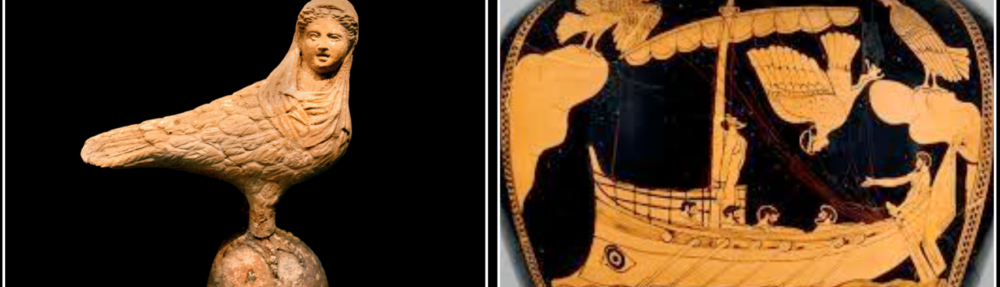
There is almost this magical touch to the film as the music in the ending and beginning plays like a Siren song. As I watched it drew me in and gave me a comfort that I did not feel when the music was stopped. While confused by this film, I enjoyed it, and enjoyed how the artist told their story.
Hey Mikena, I really enjoyed reading your post. I think you did an incredible job of expanding on the idea of movement and how the inverse is almost reflected in the idea of a stop-motion film. After our discussion yesterday I couldn’t help but think of the idea that although stop-motion is a long string of non-moving pictures strung together, it might still reflect the idea of history. I say this because there are millions of different perspectives and points along a timeline, but not until they are put together can they actually form a ‘history’, similar to the way that each picture in a stop motion is just one frame, but only when combined it can create a film.
Hi Mikena,
I appreciate how you took the time to break down the mediums through which the story is told. Stop motion provokes an entirely different feeling when watching the scenes filmed in stop motion versus the flowing live-action scenes. Pointing out the topic of “flow” was a very smart observation, as the idea of flow and mimicking the ocean’s flexible movements is not only important in the context of storytelling about the ocean, but how we navigate our existences as humans. Thank you so much for bringing this idea to our discussion!