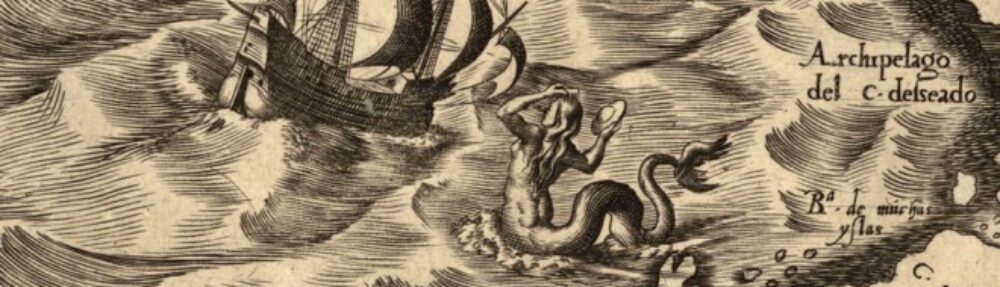
I found the discussion of ocean history extremely interesting in this week’s readings. In the Introduction of Vast Expanses, Rodzadowski mentions that we must pay attention “to questions of how, by whom and why knowledge about the ocean was created and used” (Rodzadowski, p. 9). When discussing ocean history, there is a need to understand what information came from which culture because that plays large in role in understanding the relationship to the ocean at the time. As we have discussed in class, some cultures view the ocean as something to work with and others view it as an object to use. Additionally, this quote makes me question the knowledge that we have of the ocean. When I think of how we gain knowledge, I think of books, and while I know that information can also be passed orally, what information was published about the ocean, and what cultures’ knowledge was included? That shapes and influences our views of the ocean’s history and our history with the ocean.
Since technology has evolved and humans have expanded their impact on the environment, it’s interesting to read about the different stages of human relationships with the ocean. I was fascinated with the idea of the modern relationship with the ocean. Rodzadowski describes how in the 1970s there was “concern for the great whales and about the dangers posed by major oil spills..but [this concern] did not translate into worry about the ocean itself, only its coasts and a handful of its more charismatic inhabitants” (p.11). Using sea animals that appeal to the masses to protest certain actions or policies is something that we still do today. 50 years ago people used their concern for the whales to protest oil spills and four years ago people used turtles to bring awareness to the amount of plastic being dumped in the ocean. This idea of concern for certain animals rather than the ocean as a whole is so fascinating because the state of the ocean directly impacts these animals but we had not acknowledged that until recently. I wonder how our relationship with the ocean will change in the coming years and if there will be any major changes culturally that will shift our outlook on the ocean.
Hey Sierra,
You mention a good point of how people are responsive to industrial mishaps or pollution only when sea animals are brought in to the situation compared to just the ocean as a whole. I feel like the organizations who spread awareness through these certain sea animals use a pathos approach to get more of a reaction from people rather than just mentioning the ocean as a whole. I think people are more responsive when animals are brought in because it shows a face of a living creature that can feel emotion rather than just a large unknown abyss/void. I think a similar comparison would be pollution on land too in regards to landfills. No one really spreads awareness when it comes to landfills as much as they do with ocean pollution, even though landfills can probably displace the animals that inhabit that region. Good post!